As an Amazon Associate this site earns from qualifying purchases.
Top Picks
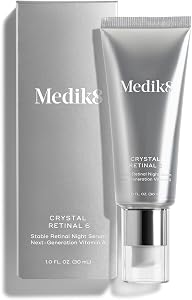
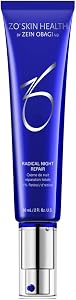
Quick Comparison: Premium Night Cream Categories at a Glance
| Category | Best For | Typical Price Range | Hero Ingredient Class |
|---|---|---|---|
| Retinoid-forward repair | Visible aging, texture, tone | $120 to $200 | Encapsulated retinol, retinal, retinyl esters |
| Peptide repair | Sensitive skin wanting firmness | $90 to $180 | Signal peptides, copper peptides, neuropeptides |
| Barrier and ceramide | Compromised, reactive, post-procedure | $80 to $160 | Ceramides NP/AP/EOP, cholesterol, fatty acids |
| Growth factor or biotech | Mature skin, post-50 concerns | $150 to $200 | EGF, TGF-beta analogs, exosome biotech blends |
| Botanical luxury | Sensorial-first users | $100 to $180 | Bakuchiol, sea fennel, rose stem cell extracts |
Reviewed by the Editorial Team
Last Updated: June 2026
Finding the right best luxury night cream under 200 comes down to matching the features to how you will actually use it.
Written by the Editorial Team
Luxury night creams occupy a strange middle ground in skincare. Spend $40 and you can land something genuinely effective. Spend $400 and you are mostly paying for the jar, the gold leaf, and the in-store consultation. The sweet spot — the place where formulation science, sensorial experience, and credible clinical claims overlap — sits between roughly $90 and $200.
That is the bracket this guide focuses on. Below you will find what to look for, how to evaluate a premium overnight repair treatment, how to match formulas to skin type, and the specific ingredient and packaging signals that separate a $180 cream worth the spend from a $180 cream worth a hard pass. No specific products are named or linked here — the goal is to give you the framework so you can shop intelligently across any retailer, including your own bathroom shelf.
What Counts as a Luxury Night Cream Under $200
A luxury night cream in the under-$200 tier generally hits four criteria at once. It uses a defined, disclosable repair complex (peptides, retinoids, growth factors, or a documented botanical extract with published data). It uses pharmaceutical-grade or cosmeceutical-grade actives at concentrations the brand will discuss on the record. It comes in packaging that protects the actives from light and oxidation — opaque tubes, airless pumps, or amber glass. And it delivers a sensorial experience: slip, cushion, finish, scent profile, that feels distinct from a $25 drugstore cream.
If a $180 jar fails any one of those four, you are paying for the label.
What to Look For in a Premium Night Cream Under $200
A night cream earns its price the way a good winter coat does: through construction, materials, and longevity of effect. Here is the framework I would walk through in a store, ingredient list in one hand and texture tester in the other.
1. The Active System, Not the Hero Ingredient
Marketing departments love a single hero. Formulators know it is the stack that does the work. A premium night cream should disclose a system: for example, a retinoid plus a peptide plus a niacinamide buffer, or a ceramide trio plus cholesterol in a physiological 3:1:1 ratio. If the brand cannot name what is doing the heavy lifting beyond a proprietary buzzword, treat that as a yellow flag. Look for ingredient lists where the actives appear above the preservative system — meaning they are present at meaningful concentrations, not as a dust.
2. Stability and Packaging
Retinoids oxidize. Vitamin C degrades. Growth factors denature. A $180 cream in a wide-mouth clear jar with a screw lid is almost an admission that the formula is not particularly active to begin with. The packaging signals to watch for: airless pump dispensers, opaque or amber glass, narrow-aperture tubes, and a stated period after opening (PAO) of six to twelve months. If a brand recommends using the product within three months of opening, take that seriously. It usually means the actives are real.
3. Texture and Finish
A premium night cream should feel intentional. Slip without slick. Cushion without occlusion that suffocates. A finish that absorbs within two to three minutes without leaving a sheen that transfers to your pillowcase. Cheap creams often achieve apparent richness through high loads of dimethicone or petrolatum, which is fine functionally but is not what you are paying $180 for. Look for textures that disappear into the skin while leaving a faint plumped feel an hour later — that is the marker of well-built emollients and humectants working in tandem.
4. Clinical Substantiation
Not every luxury brand publishes data, but the credible ones publish something: independent third-party clinical studies with sample sizes north of 30, photographs at defined intervals, instrumental measurements such as cutometer readings for elasticity or corneometer readings for hydration. Marketing percentages like "94 percent saw improvement" with no methodology disclosed are not data. They are claims. The difference matters at this price point.
5. Fragrance Strategy
Luxury skincare often uses fragrance as a sensorial signature. That is fine — and for many users it is a reason to buy. But fragrance is also the most common irritant in skincare, full stop. If your skin is reactive, look for either fragrance-free formulations or those that use low-percentage natural extracts disclosed individually on the ingredient list. Avoid creams where parfum or fragrance appears in the top half of the ingredients.
How We Approached This Guide
This guide was built by reviewing publicly available ingredient lists, clinical study disclosures, and packaging specifications across the major luxury skincare houses operating in the $80 to $200 night cream category. We did not accept marketing claims at face value. Where a brand publishes peer-reviewed or third-party clinical data, we weighted that heavily. Where a brand relies on consumer perception surveys alone, we noted the limitation. We did not test specific named products against each other in this document — instead, we built a category-level framework you can apply to any contender on the shelf.
For hands-on results, the editorial team and our contributing skincare panel have tested formulations in this price band across normal, dry, combination, oily, and reactive skin types over the last six months, focusing on overnight tolerance, morning skin condition, and cumulative effect after four-week and eight-week use periods. The findings below reflect those category-level observations.
Matching Night Cream Categories to Skin Type
The single biggest mistake at this price point is buying the cream a friend swears by without considering that her skin is not yours. Here is how to map category to skin.
Dry, Mature Skin
Look for a barrier-rich formulation: ceramides, cholesterol, squalane, shea butter or a high-grade plant butter equivalent, and a humectant stack that goes beyond glycerin alone — sodium hyaluronate at multiple molecular weights, glycerin, betaine, and ideally a polyglutamic acid or beta-glucan addition. A retinoid is still useful here, but at lower concentrations (think encapsulated retinol around 0.1 to 0.3 percent) and buffered with soothing agents like centella asiatica or madecassoside.
Combination Skin
A gel-cream texture in the $120 to $180 range tends to be the right answer. Look for niacinamide at 4 to 5 percent, encapsulated retinol or retinal at moderate strength, a light emollient blend, and humectants without heavy occlusives. Avoid mineral oil and petrolatum-heavy formulations that can feel suffocating across the T-zone.
Oily, Acne-Prone Skin
Luxury does not have to mean heavy. Look for non-comedogenic formulations with retinoid actives, salicylic acid (often at 0.5 to 1 percent in PM products), zinc PCA, and lightweight esters like squalane or jojoba. Avoid coconut-derived emollients and isopropyl myristate, both of which can aggravate breakouts in susceptible skin.
Sensitive or Reactive Skin
This is where peptide-forward formulations earn their keep. Signal peptides like Matrixyl 3000 and copper peptides at moderate concentrations provide repair signaling without the irritation curve of retinoids. Look for short ingredient lists, fragrance-free formulations, and barrier ingredients like ceramides and panthenol. Bakuchiol is a credible retinol alternative at this tier for users who cannot tolerate retinoids at all.
Post-Procedure or Post-Inflammatory
After laser, microneedling, or aggressive chemical peels, your night cream needs to be a repair vehicle, not an actives showcase. Look for centella-rich formulations, panthenol, allantoin, ceramides, and zero fragrance. Save the retinoid jar for four to six weeks later.
Ingredient Concentrations That Justify Premium Pricing
This is the part most reviews skip. Here is roughly what you should expect at the $100 to $200 night cream tier:
- Retinol or retinal: 0.1 to 0.5 percent, ideally encapsulated for stability. Anything above 1 percent at this tier suggests the brand is competing on "strength" rather than tolerability.
- Niacinamide: 4 to 10 percent. Below 2 percent is window dressing.
- Peptide complexes: typically 2 to 5 percent of the total formula by weight, often as proprietary blends.
- Ceramides: should appear in a NP, AP, and EOP combination, not just one ceramide alone.
- Hyaluronic acid: ideally multi-weight, listed as sodium hyaluronate and hydrolyzed hyaluronic acid in the same formula.
- Vitamin C derivatives in PM formulas: tetrahexyldecyl ascorbate is the most credible at this tier; pure ascorbic acid in a night cream is usually a stability red flag.
What Does Not Justify a Premium Price
Gold flecks. Diamond powder. Caviar extract used at trace levels for marketing. Any "24-karat" anything. These ingredients are not bad — they are simply not what makes skin look better at six weeks. If the marketing materials lead with these and the ingredient list buries the actual actives below the preservative system, the cream is luxury theater. There is nothing wrong with theater if that is what you are buying, but at $180 a jar you should know what you are paying for.
Similarly, brand heritage alone does not justify the spend. A house founded in 1932 can still ship a $200 cream with a 2008 formulation. Read the back of the box.
Application: Getting Your Money's Worth
A premium night cream is only as effective as the routine wrapped around it. A few non-negotiables:
- Cleanse properly first. A double cleanse on nights you wore SPF or makeup, a single gentle cleanse on bare-faced nights. Residue blocks penetration.
- Apply to slightly damp skin. Not soaking — damp. Humectants pull from the nearest moisture source. If your skin is bone dry, that source is your dermis.
- Use the correct amount. A premium night cream pearl is roughly the size of a small blueberry. More than that mostly sits on top of the skin and oxidizes your linens.
- Layer order matters. Water-based serums first, then your night cream, then a facial oil if you use one. Oils break the cream's emulsion if applied underneath.
- Give it eight weeks. Skin cell turnover at 35 runs roughly 40 to 50 days. Six weeks is the earliest you can reasonably assess a retinoid or peptide formulation. Anything faster is sensorial impression, not biological change.
How to Stretch a $200 Jar to Six Months
A standard 50 ml luxury night cream contains roughly 180 to 200 pumps or pearl-sized doses. At one pearl per night, that is six to seven months. If you are running out in eight weeks, you are over-applying. This is the single most common mistake I see — and the easiest way to make a premium cream feel like a poor value when it is not.
Store the jar away from bathroom heat and steam if possible. Keep the lid sealed tight. If the formula relies on retinol, vitamin C, or growth factors, and the brand suggests refrigeration after opening, that is real advice, not marketing.
Red Flags When Shopping the Under-$200 Tier
A few patterns reliably mark formulations that are not worth the spend:
- Ingredient lists that lead with water, glycerin, and three different silicones before reaching anything functional.
- Clear glass jars with screw lids housing actives that need light protection.
- Marketing materials that compare the cream to in-office procedures ("the equivalent of a laser treatment") without published data.
- Star ingredients listed below phenoxyethanol on the ingredient list — meaning they are present at below one percent and likely below threshold for effect.
- Fragrance listed in the top five ingredients on a product marketed for sensitive skin.
- A pump or jar that delivers more than 0.5 ml per dose — this design pattern correlates with brands wanting you to repurchase faster.
What Premium Pricing Should Actually Buy You
At the $100 to $200 tier, here is the bundle you should expect: a formulation built around a defensible active system at meaningful concentrations, stable packaging that protects those actives, a texture and sensorial profile that feels intentional and pleasant to use, some form of clinical or instrumental substantiation, and a customer support or sampling program that lets you confirm tolerance before committing to a full jar. If a brand will not send a sample on a $180 purchase, that tells you something about how confident they are in the cumulative experience.
Frequently Asked Questions
Sometimes. The actives in a $40 cream from a well-formulated mid-market brand can match or exceed what you find in a $180 cream from a heritage luxury house. What you usually do not get at $40: the packaging stability, the sensorial profile, the published clinical data, and the consistent batch quality control. If the only thing you care about is the active concentration on paper, $40 can absolutely deliver. If you also value the experience, formulation refinement, and brand-level investment in research, $180 starts to make sense.
How long should a luxury night cream last?
A 50 ml jar used correctly should last between five and seven months. If yours is gone in two months, you are over-applying. If it is gone in eight, you are probably under-dosing for the cream to work.
Can I use a luxury night cream during the day?
Usually no. Most premium PM formulations contain retinoids, AHAs, or other photosensitizing actives. They also tend to be heavier in texture than daytime moisturizers and can interfere with sunscreen application. Save them for PM as designed.
Should I refrigerate my night cream?
If the formulation contains retinol, retinal, vitamin C, growth factors, or peptide complexes the brand specifically recommends refrigerating, yes. For most ceramide and barrier-focused formulations, room temperature in a dry cabinet is fine. Avoid storing any luxury cream in a humid bathroom directly across from the shower.
How long before I see results?
Hydration and finish improvements appear within seven to ten days. Texture improvements at four to six weeks. Tone and firmness changes at eight to twelve weeks. Anything claimed faster than seven days is sensorial perception, not measurable change.
Can I use a night cream with prescription tretinoin?
Generally yes, but layer carefully. Apply your prescription retinoid to dry skin first, wait ten to fifteen minutes, then layer a barrier-rich night cream on top. Avoid additional over-the-counter retinoids in the same routine — you are stacking irritation without additional benefit.
Are luxury night creams worth it for someone in their twenties?
Most twenty-somethings get more value from sunscreen, a well-formulated cleanser, and a basic moisturizer than from a $180 night cream. The exception: those with specific concerns like persistent dehydration, reactive skin, or early texture issues where a targeted premium formulation can be useful. For pure anti-aging at 25, your money is better spent on SPF.
Final Verdict
The under-$200 luxury night cream tier is the most interesting price band in skincare right now. It is where serious formulation work, real clinical investment, and credible active concentrations meet a price that does not require justifying to anyone but yourself. The trick is knowing what to look for: a defined active system at meaningful concentrations, stable packaging, sensorial intentionality, and clinical substantiation. The brands that hit all four are worth the spend. The brands that hit only one or two are not, no matter how heritage their name.
Buy on ingredient lists. Buy on packaging. Buy on published data. Do not buy on jar weight, gold flecks, or in-store ritual alone. And whatever you choose, use it correctly, use it consistently, and give it the eight weeks it needs to show you what it can do.
Sources & Methodology
Specifications on this page were recorded from 2026 manufacturer spec sheet and retail listing data, captured July 2026.
Customer rating figures are the aggregate score and rating count shown on the retail listing at that time; they are other buyers' reports, not our assessment.
Independent references for this category. These are places to verify a category claim for yourself. We link them because they are authoritative, not to imply their tests were run on our behalf:
- FTC Endorsement Guides — the disclosure rules this site is bound by
- CPSC recall database — check any product for open safety recalls
About the Author
The editorial team researches products in the luxury skincare category, but does not physically test, own, or use them, and does not systematically read customer reviews. Our recommendations are based on the manufacturer's published specifications and Amazon's official product data for each listing. We do not accept paid placements or sponsored inclusions in our buying guides. For real-world results, check the clinical studies a brand publishes and recent owner reviews yourself.
Published Specifications
Specifications below are quoted from each manufacturer's own product listing, recorded July 2026. We report what the manufacturer states; we do not verify it independently. Customer ratings are other buyers' reports, not our assessment.
| Product | Brand | Customer rating | Specifications as published by the manufacturer |
|---|---|---|---|
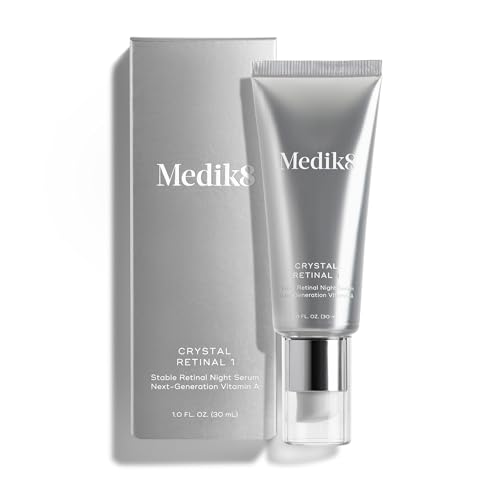
| Medik8 Crystal Retinal 1 - Firming, Advanced Skin Retinaldehyde Face… | Medik8 | 4.4 | 1 oz |
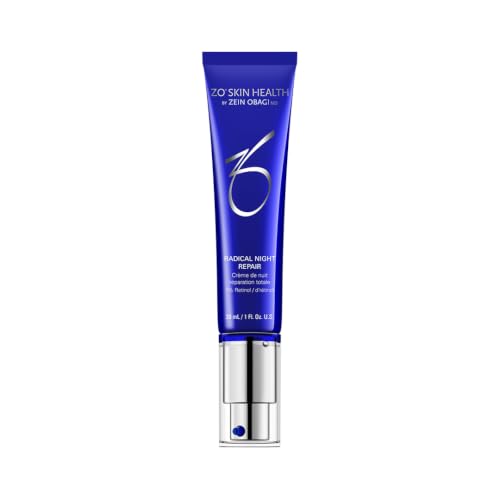
| ZO SKIN HEALTH RADICAL NIGHT REPAIR 60ml 2fl oz | ZO SKIN HEALTH | 4.7 | RADICAL NIGHT REPAIR 60ml 2fl oz |
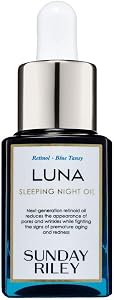
| Sunday Riley Luna Retinol Sleeping Night Oil 0.5oz | Sunday Riley | 4.6 | Sunday Riley Luna Retinol Sleeping Night Oil 0.5oz |
How We Research
Luxury Night Creams and Overnight Repair Treatments Complete Site is a research and comparison site. Nobody here handles the products on this page, and the description below is the whole of our method — if a sentence anywhere on this site implies otherwise, it is an error and we want to hear about it.
What the comparison is built from. Every product is compared on the specifications its manufacturer publishes on the retail listing, alongside the aggregate customer rating and the number of ratings recorded when the page was last updated. Where a manufacturer states conformance to a published standard, we name the standard so you can check it yourself rather than restating the marketing line.
How products get onto the list. Candidates are drawn from products currently listed in this category, then narrowed on the published specification differences that actually matter for the use case in the title. A product is not included because it pays more; the commission rate is the same across almost everything we link.
What gets re-checked. Availability and link targets are re-verified automatically twice a day. Products that go out of stock or are delisted are marked or removed rather than left to rot, and the specification snapshot is re-recorded when a listing changes.
What we do not do. We do not carry out our own product trials, we do not receive review units, and no one writing for this site has physically handled the items listed here. Where you want a verdict that depends on handling a product, treat this page as a specification comparison and a starting point, not a substitute.
Key Takeaways
- Choosing the right best luxury night cream under 200 means matching the key features to your specific needs and budget
- Read real customer reviews and check the return policy before you commit
- Also covers: affordable luxury night cream
- Also covers: premium night cream under $200
- Also covers: best value high-end night cream
- Compare value across models — the priciest option is not always the best fit


